“Secondary Drowning” – Real ir Myth?
“Secondary Drowning” – Real ir Myth?
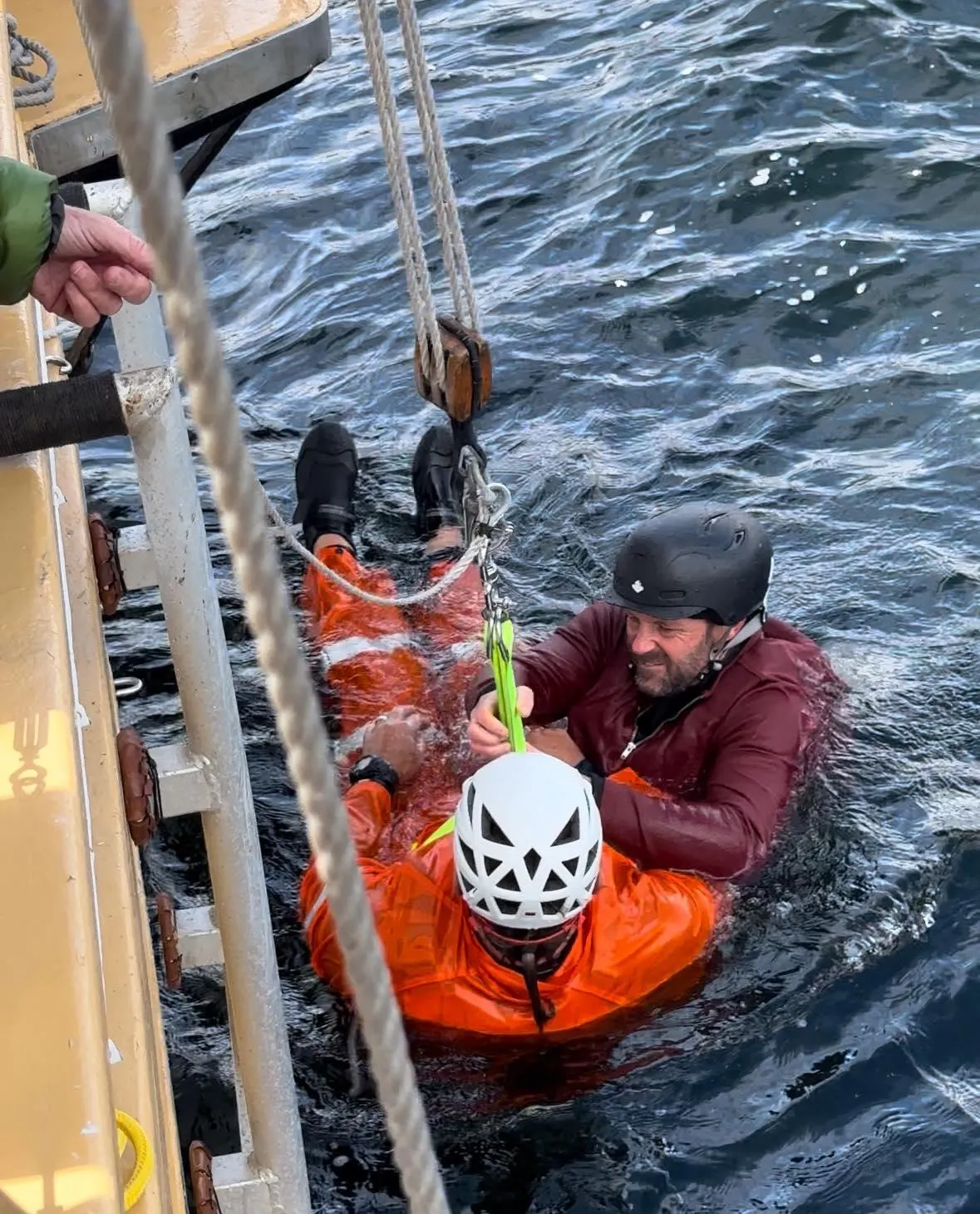
You’ve just rescued someone from the water — a crewmate, a child, a guest. They’re coughing and shaken, but walking, talking, maybe even smiling again.
Everyone breathes a sigh of relief.
But a few hours later, they’re short of breath… struggling to talk… maybe even collapsing.
You panic. Someone whispers, “Is this secondary drowning?”
So, is “Secondary Drowning” a Thing?
This is one if the most common questions I get teaching Medicine to Yachties…
Here’s the truth.
“Secondary drowning” is a term commonly used in media and online, especially in stories involving children.
But it’s no longer a recognized medical diagnosis.
The correct term is now “non-fatal drowning with delayed symptoms.” And yes — this can absolutely be dangerous, and even fatal if ignored.
.
.
What Actually Happens?
If a person inhales even a small amount of water, their lungs can become irritated and inflamed.
They might:
• Lose surfactant (the slippery substance that keeps lungs open)
• Develop fluid in the lungs (pulmonary edema)
• Show signs of breathing difficulty over the next few hours, even if they seemed fine right after the incident
This delayed respiratory distress is what people mean when they say “secondary drowning.”
But here’s the key:
It’s not silent. It’s not out of nowhere. There are always warning signs — if you know what to look for.
What the Science Says
Some early studies, like one published in the British Medical Journal in 1980, found that up to 5% of children who were pulled from the water seemed okay… but developed serious breathing issues later (Pearn, BMJ, 1980).
Since then, however:
Major health organizations like the WHO, Red Cross, American Heart Association, and Surfer’s Medical Association have said clearly:
“Secondary drowning” is misleading, outdated, and not backed by current clinical evidence.
Instead, the correct term is:
Non-fatal drowning with delayed onset respiratory symptoms.
Warning Signs to Watch For (Within 24 Hours)
If someone inhaled or swallowed water — especially if they were unconscious or coughing during the rescue — watch closely for:
- Persistent or worsening cough
- Fast, shallow, or noisy breathing
- Chest pain or tightness
- Pale, grey, or blue skin/lips
- Lethargy, confusion, or vomiting
- Trouble staying awake
If you see any of these, it’s a medical emergency. Get them to care immediately.
My Advice as a Marine Medic & Trauma Educator
I’ve worked with elite yacht crews, race teams, and expedition vessels. I’ve also worked with families and remote sailors. Here’s what I tell everyone:
Don’t waste energy on outdated terminology.
Whether you call it “secondary drowning” or not, the real risk is delayed respiratory symptoms after a water rescue.
You won’t miss it if you know what to look for.
This isn’t some silent killer waiting 3 days to strike. Symptoms are always present. You just need the confidence to spot them.
Trust your gut. Stay with them. Monitor closely. And, as you know…
DRSABC, head to toe, vital signs, neuro obs and repeat, over and over again!
The safest course of action is watching the person for at least 4–6 hours after any water inhalation. Longer if you’re in a remote location. Use oxygen if trained and available. Log everything. Contact your Telemedicine provider (hopefully MSOS!) and consider evacuation to a hospital for a check up.
Main Takeaways
- “Secondary drowning” as a term = outdated
- Real risk = Delayed lung symptoms after a non-fatal drowning event
- Best action = Monitor. Observe. Act if symptoms appear.
You don’t need to be a medic to save a life. You just need to be calm, follow up, have a cool head, and of course a little bit of training goes a long way!!!
Cited Sources:
– WHO Drowning Factsheet (2021)
– American Academy of Pediatrics, 2022
– Pearn JH, BMJ 1980
– Surfer’s Medical Association, “Dry and Secondary Drowning Myths”
