Superyacht Crush Injuries: Safety Tips & Management
Superyachts, Medical Safety, Crush Injuries
Superyacht Crush Injuries: Hidden Dangers on Deck and How to Manage Them
Part 2 of the St Barth Bucket Medical Series looks at some of the worst crush injuries seen on large sailing yachts, and how to recognise and manage them when you are far from shore-based medical help.
The Real Risks: When Hardware Meets Human Flesh
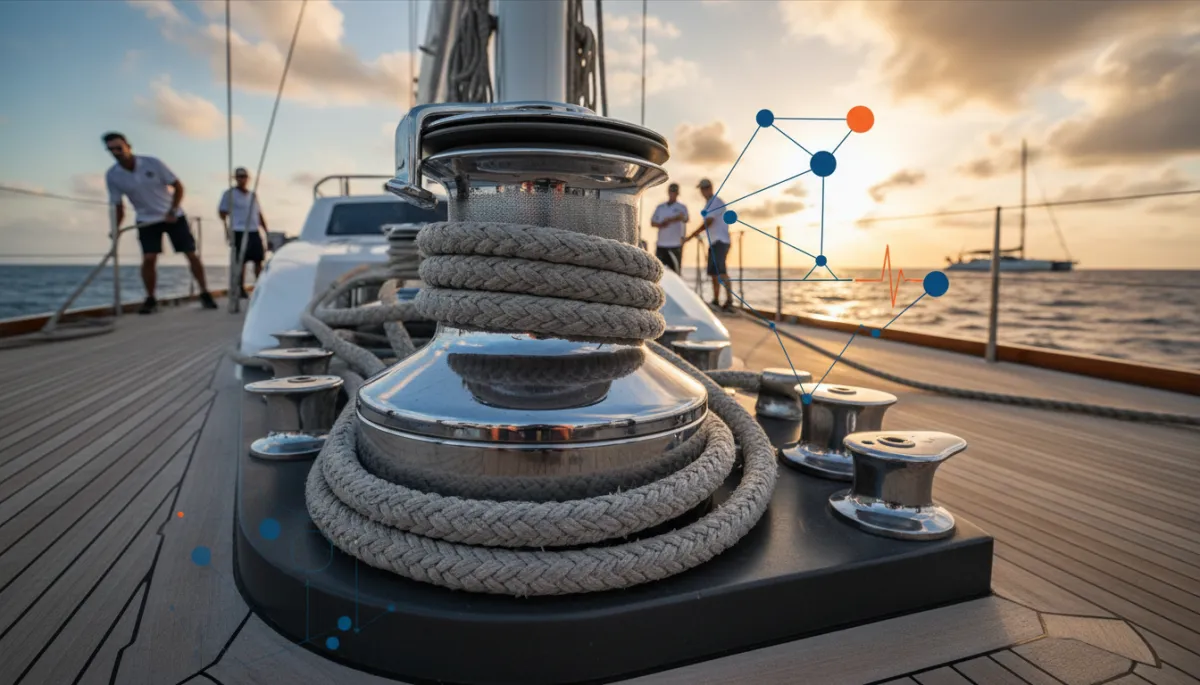
On a modern superyacht, especially in regattas like the St Barth Bucket, the loads running through ropes, halyards, blocks, and winches are enormous. What looks like a harmless line can be carrying several tonnes of force. When something goes wrong, the result is not a simple bruise – it can be catastrophic crush trauma to hands, arms, legs, or the chest.
Worst-case scenarios described in St Barth Bucket medical briefings include fingers degloved by a runaway sheet, feet pinned in a turning block, and crew members dragged into winches or jammed between moving gear and structure. Even when the skin looks “not too bad,” the damage underneath can be devastating.
How Ropes, Halyards, Blocks, and Winches Turn Deadly
The danger comes from a mix of high load, speed, and confinement:
Ropes and sheets can snatch tight, trapping hands or wrapping around limbs in a fraction of a second.
Halyards under tension can pin crew against spars or fittings if they jump or fail unexpectedly.
Blocks concentrate load at a single point; a foot or hand caught between a block and deck can be crushed beyond repair.
Winches multiply force. Clothing, fingers, or long hair pulled into a drum can cause severe crush and tearing injuries almost instantly.
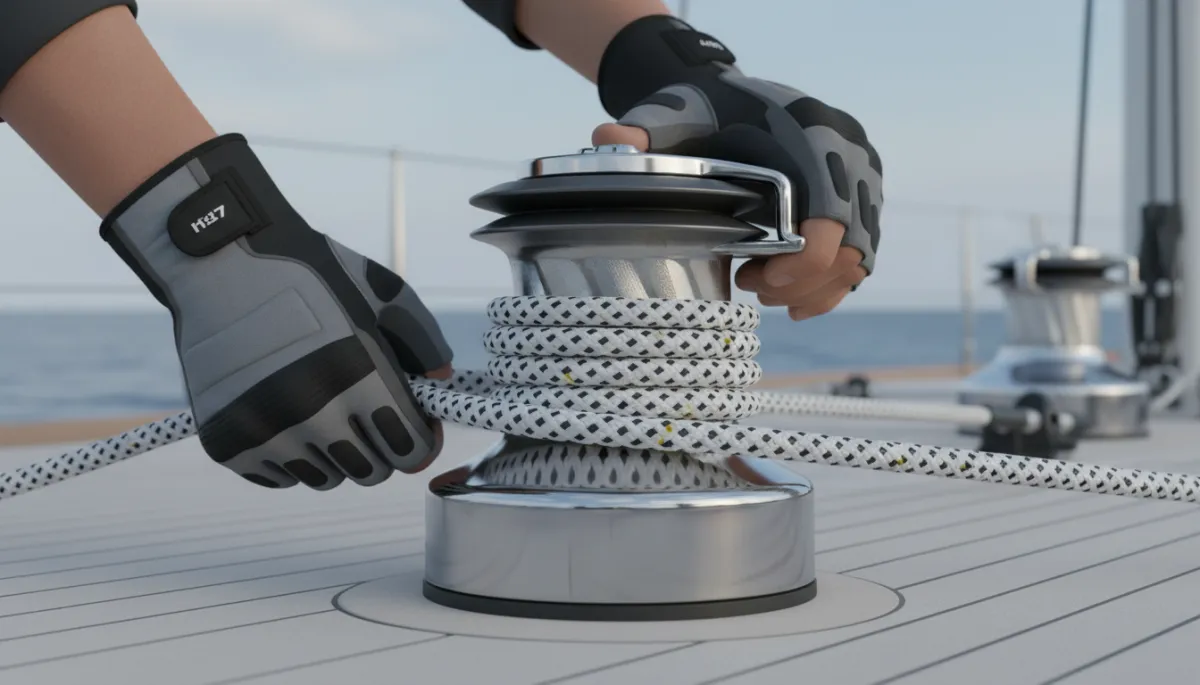
High loads through winches and lines can turn minor slips into life-changing injuries.
Medical Implications: Beyond Broken Bones
A crush injury is not just “a bad bruise.” Beneath the skin, muscle and blood vessels may be destroyed. Two of the most dangerous consequences highlighted in wilderness and maritime medicine literature ( Crush Injury and Crush Syndrome ) are rhabdomyolysis and compartment syndrome.
Rhabdomyolysis: The Silent Kidney Killer
Rhabdomyolysis occurs when crushed muscle breaks down and releases its contents into the bloodstream. Pigments like myoglobin can clog the kidneys, leading to acute kidney failure ( Mayo Clinic ). Offshore, you cannot measure lab values, so you must assume risk if:
A limb or large muscle group was compressed for more than a few minutes.
There is extensive swelling or deep pain after the incident.
Compartment Syndrome: A Surgical Emergency
Compartment syndrome happens when swelling inside a confined muscle compartment raises pressure so high that blood can no longer flow. Within hours, nerves and muscles die, and the limb may be lost. Definitive treatment is urgent surgery (fasciotomy) ( Johns Hopkins Medicine ), which is obviously not available at sea.
Signs to Watch For After a Crush Injury
In the St Barth Bucket medical briefings, doctors emphasise that the real danger often appears hours later. After any crush event involving lines, blocks, or winches, monitor the casualty closely for:
Increasing pain, especially pain out of proportion to how the injury looks, or pain not relieved by usual painkillers.
Rapidly worsening swelling or a limb that feels tight, hard, or “wooden.”
Numbness, tingling, or weakness in fingers or toes beyond the injury site.
Pale or cold skin compared with the other limb, or diminished pulses if you know how to check them.
Systemic signs such as dark or cola-coloured urine, confusion, nausea, or feeling faint – red flags for rhabdomyolysis and shock.
📌 Key Takeaway: If pain and swelling are getting worse, not better, after a crush injury, treat it as an emergency and plan for evacuation.
Management Strategies Offshore: What You Can Do on Board
Immediate Actions on Deck
Make the scene safe: Stop the winch, ease the line, secure the load before approaching the casualty, as recommended in remote-crush management guidance ( WEM Journal ).
Primary survey (ABCDE): Check airway, breathing, and circulation first; control any major bleeding with direct pressure or tourniquet if life-threatening.
Remove compression only when you can do so safely and are ready to manage potential collapse; prolonged crush can cause “crush syndrome” when pressure is released.
Ongoing Care at Sea
Immobilise and elevate the injured limb if possible, avoiding tight bandages that could worsen compartment pressure.
Manage pain with appropriate onboard medications to reduce stress and improve cooperation with treatment.
Hydrate aggressively (if no contraindications) to help protect the kidneys from rhabdomyolysis. Follow telemedical advice on fluid rates and, if carried, medications like sodium bicarbonate.
Monitor trends: record vital signs, pain scores, and limb appearance every 15–30 minutes and relay this to shore-based doctors via satellite or radio.
💡 Pro Tip: In race briefings like the St Barth Bucket Medical Series, crews are encouraged to rehearse who calls medical support, who manages the casualty, and who handles the yacht.
Steps to Take If You Are Far Offshore
Activate telemedicine early: Contact your contracted maritime medical provider as soon as a serious crush injury occurs, not hours later when the casualty deteriorates ( Maritime Executive ).
Prepare for evacuation: While first aid continues, the captain should evaluate course changes, nearest ports, and helicopter or vessel assistance options in consultation with rescue coordination centres.
Document everything – times, treatments, and changes in symptoms – to hand over to the receiving medical team and support decision-making en route.
Respect the Hazards and Plan the Evacuation Before You Sail
The recurring message from the St Barth Bucket Medical Series is simple: treat ropes, halyards, blocks, and winches with the same respect you would give to industrial machinery. That means clear no-go zones, strict line-handling protocols, and regular training for both professional crew and guests.
Equally important is a robust evacuation plan. Before leaving port, the yacht should know:
Which telemedical service is on call and how to reach them instantly.
Nearest ports with surgical capability along the route.
How to coordinate with coastguard and rescue services for helicopter or fast-boat extraction.
Crush injuries from superyacht loads are fast, brutal, and unforgiving. With informed respect for the risks, an understanding of the medical implications, and a rehearsed management and evacuation strategy, crews can turn a potential tragedy into a survivable – and recoverable – incident.
